

Ziyohanna Ahvaneyah Nation

DIRTY SOUTH UNTOLD NEWS Friday Edition — July 3,2026
Featured stories are updated every two weeks, depending on new content availability.
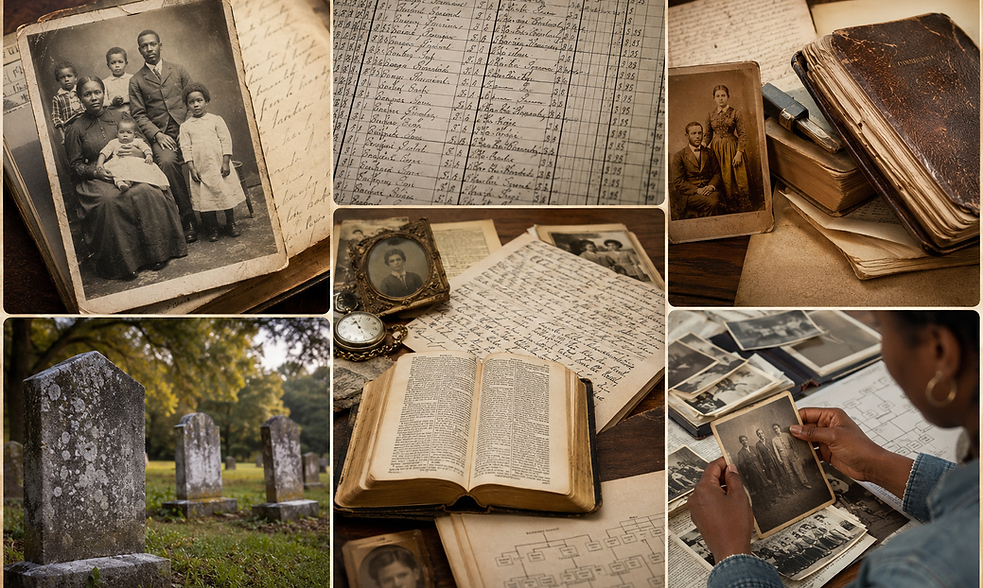
The Paper Trail vs. Reality: How Official Records Miss the Real Story of Native American History
This work looks closely at old written records, items found in the ground by archaeologists, and patterns in human DNA across the Americas. The main focus is on how identity, land, and population history are described in official paperwork compared to what the physical evidence actually shows. The key issue here is not whether these populations existed, but how they were described, grouped, and labeled by outsiders in historical documents over time.
For hundreds of years, official government archives created a simple, straight-line story about the people living in the Americas. But beneath the ink of these old colonial papers lies a completely different story written in deep soil, ancient stones, and human genetics. When we compare written paperwork to physical evidence, we see a massive disconnect. The paper records did not just write down history; they flattened it by trapping real, changing communities inside rigid government boxes.
1. Group Names in Old Records: Who Gets to Decide?
In early written accounts, Native American nations are often described using two different types of names at the exact same time. These two different labels appear side-by-side in the very same documents. This creates a big split between:
-
Internal identity: The specific names that nations, groups, or communities called themselves.
-
External classification: Broad, general labels given to them by outside sources and officials.
Seeing both types of names in the same paperwork makes us question how people's identities were being organized and written down long ago. These old government systems had absolutely no idea about deep family bloodlines. They treated identity like a simple, surface-level trait used just for tracking taxes, land ownership, or legal rules.
A great example of this is the famous Chief Seattle’s Speech. The speech was not written down until decades after it was spoken, and people kept rewriting it for over a hundred years. Over time, the paperwork changed his words from an old-fashioned Victorian essay into a modern environmental speech. The real historical person—the actual leader of the Duwamish and nearby Puget Sound groups—was hidden by an official paper trail that cared more about making a good story for outsiders than telling the local, real-life truth. By turning complex human networks into fixed lines on paper, the written record chose convenience over biological and cultural truth.
2. People on the Move and Local Growth
Studies of ancient items and DNA show that human history did not happen the exact same way or at the exact same time everywhere across the Americas. Instead, the physical evidence shows:
-
Different timelines for when people settled in different areas.
-
Step-by-step spreading patterns across massive pieces of land.
-
Local differences in how communities grew and stayed together over time.
This shows that human history across the Americas is shaped by different movements, different timings, and natural geographic separations. Over thousands of years, populations created active, local networks where they moved around and interacted with one another.
Look at the ancient city of Tiwanaku near Lake Titicaca. Long before Europeans arrived, Tiwanaku grew into a massive city of 10,000 to 20,000 people. It had planned streets, neighborhoods built for different levels of wealth, and trading paths that crossed the entire Andes mountain range. But because the people there did not use a written alphabet, early European writers completely misunderstood how powerful and active this local society really was. These deep, local roots completely contradict the frozen, simple snapshots found in European paperwork, which wrongly assumed nothing was changing before they arrived.
3. Deep Layers of History and "Ghost DNA"
DNA studies also show that different Native American populations have very different family ancestry patterns. Most groups can trace their roots back to a single, main group of early ancestors who moved into the Americas a very long time ago. However, some areas show extra, later layers of new families moving in, especially in northern and Arctic regions. This means that:
-
Some populations mostly carry the DNA of the very first ancestors.
-
Some populations show extra DNA from groups that arrived much later.
-
Different regions show totally different mixes of these layers.
Modern DNA tracking reveals an even deeper level of mystery through the discovery of "ghost DNA." Major scientific studies have looked at ancient and modern genes, proving that a completely unknown wave of people moved into South America as recently as 1,300 years ago. Even more surprising, scientists found an ancient genetic signal—often called the "Population Y" signal—that links certain South American and Amazonian groups to ancient populations from the Australasian region.
Because no one has ever found the actual skeletal remains of this specific ancestral group, they exist entirely as a "ghost lineage" known only through the DNA markers they left behind. Early record-keepers knew absolutely nothing about this hidden genetic structure. Its existence proves that the human timeline in the Americas is a continuous, unwritten web of mixed migrations, rather than one single, clean, isolated walk across a land bridge.
4. Land Maps vs. Real Life
Old geographic terms and colonial maps did not always match up with where people actually lived. In many cases, broad regional labels were slapped onto giant, diverse areas that actually held many completely different populations and cultures. This creates a big separation between the simple land labels used in records and the actual variety of different people living on that land.
A massive flaw in these old mapping systems is the false idea that the modern borders of the Americas show where the original Native world started and stopped. In reality, certain modern territories were not even a part of the original Americas when it comes to geography, nature, or human history.
A clear example of this is the 1867 Alaska Purchase Treaty, which handed Alaska from the Russian Empire over to the United States. Geographically and biologically, Alaska is an Arctic landmass that sat completely outside the traditional human and land networks of mainland North America. Yet, through a simple paper business deal, the U.S. bought 370 million acres of land. Instantly, the diverse Native populations living there were forced into rigid, outside legal boxes. The treaty paperwork split the Native people into "inhabitants" or "uncivilized tribes," and groups like the Unangax̂ people had their land freedom taken away, turned into legal dependents of the state.
A similar paper mismatch still happens today in the State of Virginia. Long ago, state laws like the 1924 Racial Integrity Act legally wiped out tribal names by forcing everyone into just two boxes on official paperwork: "White" or "Colored." Hundreds of years of distinct local tribal records were erased with a single pen stroke.
Today, this paperwork gap continues through modern commercial DNA tests. Popular testing companies rely on broad, generalized reference groups made from big geographical averages. Because the specific, local DNA markers of Virginia's historic nations—like the Powhatan, Mattaponi, or Pamunkey—are missing from these databases or mixed up by centuries of history, the corporate tests often give back incomplete or wrong results. This creates a false story that these local markers do not exist or are not understood. In reality, it is the modern testing system that lacks the detail and proper historical tracking needed to see them.
5. The Big Question
When we look across old records, items dug out of the ground, and DNA studies, we see a repeating pattern of deep human history that does not match the simple stories we are often told. This leaves us with one central question:
How should we understand people's true identity and land history when official records show simple, broad labels, but the physical evidence shows a deep, changing world of movement, growth, and ancient family roots?
If we only trust the paper trail left behind by old governments, we end up with a history built on official erasure, fake borders, and oversimplified biology. Finding the real truth means looking past the broad labels written by old bureaucrats and listening to the unwritten, multi-layered stories left behind in the soil and the blood.
Sources & References
1. Identity Distinctions & Textual Erasure
-
Chief Seattle's Speech Evolution: For insights into how early colonial archives and collectors altered oral history to serve external agendas, you can check the primary collections managed by the WPI Native American History Guide. [1]
2. Ancient Urban Development
-
The Urban Metropolis of Tiwanaku: To verify the population size, planned streets, and complex society of this high-altitude ancient city, read the detailed archaeological profile provided by Live Science on Tiwanaku or examine the city's timeline and architecture on the National Institutes of Health (NIH) Tiwanaku Chronology Data. [1, 2]
3. Multiple Migration Layers & Ghost DNA
-
The 2026 Nature Genomic Study: To read the breakthrough findings regarding the three distinct migration waves and the newly identified 1,300-year-old Asian migration wave, explore the report by Science Magazine on South American Waves and the formal paper published on Nature: The Evolutionary History of Indigenous American Genomes. [1, 2]
-
Ghost Lineages and Population Y: To understand how researchers use DNA markers to trace ancient, undocumented ancestral networks without skeletal remains, review the coverage on Live Science: Unknown Ghost Population DNA. [1]
4. Non-Traditional American Territories & Bureaucratic Borders
-
The 1867 Alaska Purchase & Native Classification: To verify how the Treaty of Cession grouped diverse Arctic indigenous communities into external legal categories like "uncivilized tribes," you can view the official text via the National Archives Check for the Purchase of Alaska and read the historical legal breakdown provided by the Alaska Historical Society Land Title and Treaty Analysis. [1, 2]
5. Virginia Paper Erasure & Modern DNA Testing Limitations
-
The 1924 Racial Integrity Act: To understand how Virginia's historical laws legally deleted regional tribal identities from official papers, look at the archival records curated by the Library of Virginia's Historical Features. For general context on the modern struggles of these indigenous communities, you can read the summary of Wikipedia's Native American Tribes in Virginia Overview. [1, 2]
DID YOU KNOW — ON THIS DAY
July 3,2026
Historical Events on July 3, 1607
Native Americans brought life-saving food like maize and beans to the starving Jamestown colony, marking some of their earliest recorded interactions.
1778: During the American Revolution, British forces and their Iroquois allies overwhelmed American troops in Pennsylvania. It is historically known as the Wyoming Valley Massacre.
1863: Dakota Chief Little Crow was shot and killed by settlers near Hutchinson, Minnesota. The state of Minnesota had placed a bounty on Sioux scalps at the time. Present-Day: Tribes across the U.S. celebrate July 3 as Treaty Day.
For example, the Eastern Shoshone Tribe honors the Fort Bridger Treaty signed on this date in 1863.
When focusing specifically on the Eastern Woodlands tribes—the Indigenous peoples who historically inhabited the regions east of the Mississippi River, from the Great Lakes down to the Atlantic coast—July 3 holds a deeply complex mix of historic battles and ongoing modern traditions. [1, 2, 3, 4, 5]
When focusing specifically on the Eastern Woodlands tribes—the Indigenous peoples who historically inhabited the regions east of the Mississippi River, from the Great Lakes down to the Atlantic coast—July 3 holds a deeply complex mix of historic battles and ongoing modern traditions. [1, 2, 3, 4, 5]
Historical Conflicts
-
1754: During the French and Indian War, a young George Washington surrendered Fort Necessity in Pennsylvania to French troops and their allied Eastern Woodlands warriors. This key conflict relied heavily on alliances with regional tribes like the Iroquois Confederacy and Shawnee. [1, 2, 3]
-
1778: The Wyoming Valley Massacre took place in Pennsylvania during the American Revolution. A force of British Loyalists alongside roughly 700 Iroquois warriors (primarily Seneca and Cayuga) decisively defeated American Revolutionary soldiers. [1, 2, 3, 4, 5]
Modern Cultural Gatherings
Rather than treating July 3 solely as a date of historical trauma, several Eastern Woodlands nations use this exact summer weekend to host their most vital annual cultural reunions: [1]
-
Mashpee Wampanoag Powwow: The Mashpee Wampanoag Tribe kicks off its massive, multi-day Annual Powwow on July 3 in Mashpee, Massachusetts. This massive traditional homecoming highlights Eastern Woodlands drumming, singing, storytelling, and wampum arts. [1, 2]
-
Eastern Band of Cherokee Powwow: The Eastern Band of Cherokee Indians launches its annual 4th of July Powwow on July 3 at the Old Acquani Expo Center in North Carolina. It acts as a massive gathering featuring generations of traditional social dances, stickball demonstrations, and cultural preservation. [1, 2]
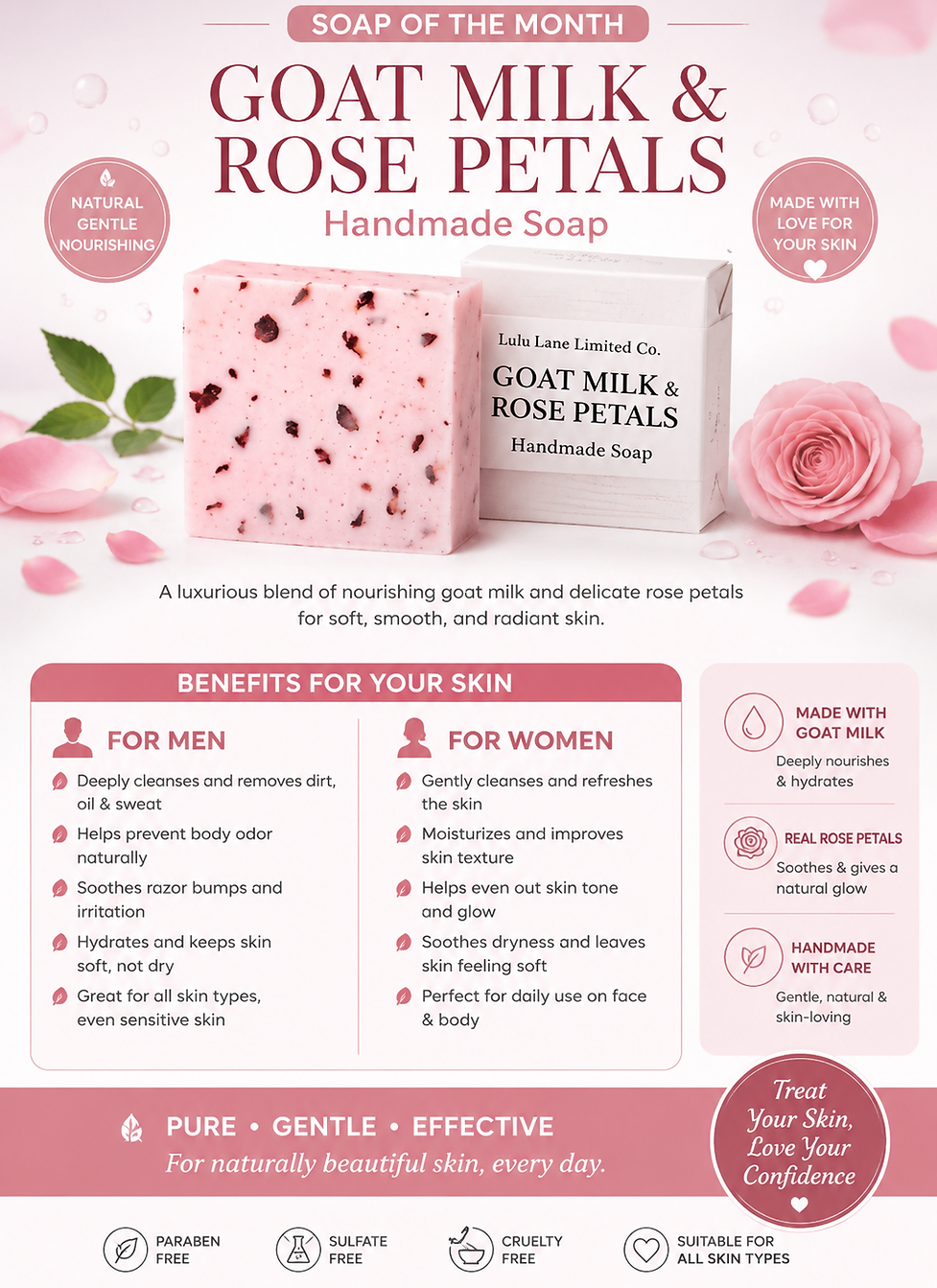
The Hidden Hands Library is a growing educational resource center dedicated to preserving and exploring American Indian history, reclassified Indigenous family histories, genealogy, cultural research, oral traditions, and historical records often overlooked in mainstream education.
This section will provide free resources including articles, historical documents, family research guides, maps, educational materials, and curated reading collections focused on Indigenous ancestry, Southern American Indian history, and hidden historical narratives.
Our mission is to make knowledge accessible to the community while encouraging research, preservation, and intergenerational learning for future generations.
Resources and downloadable materials will continue to be added as the library expands.
Spot Light Herb of The Month
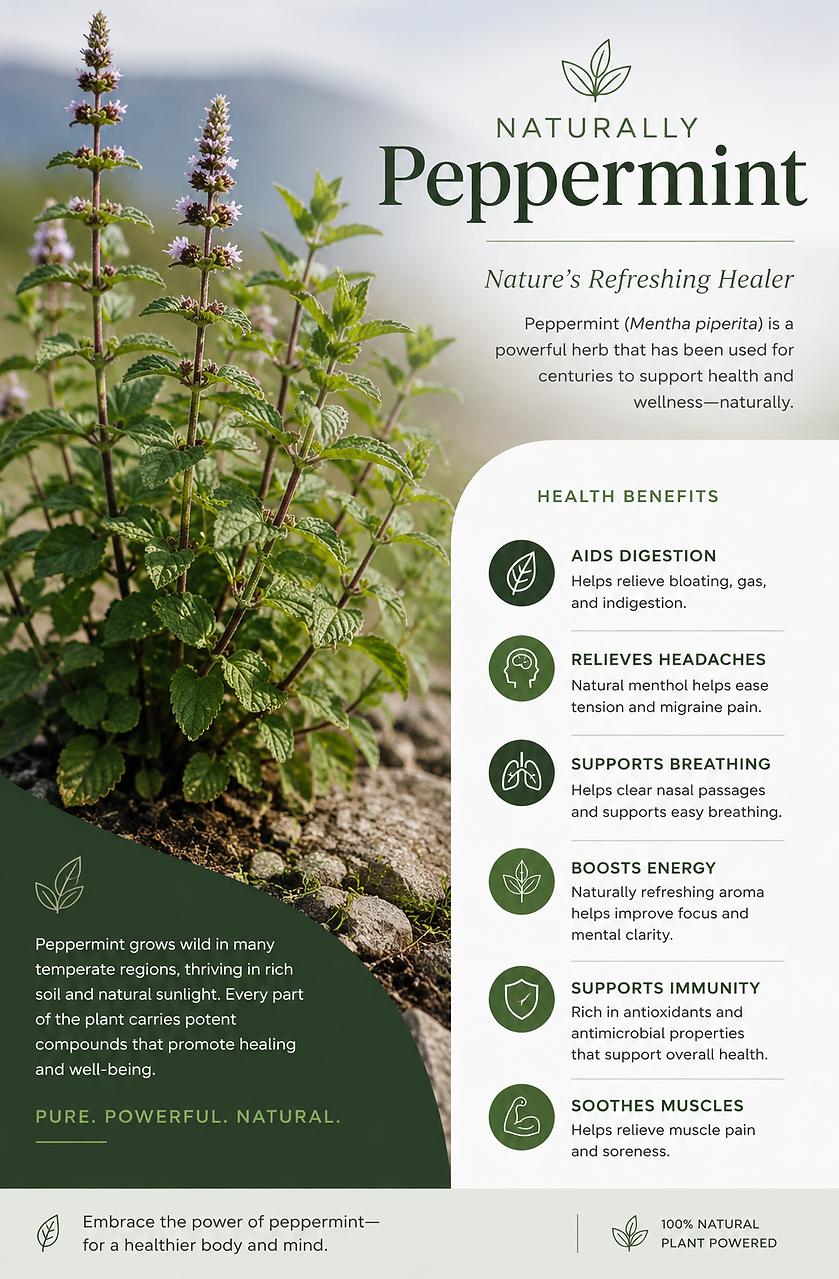
Wellness Center
Looking for healthy food swaps, herbal information, wellness products, recipes, and natural living ideas?Visit the Ziyohanna Ahvaneyah Nation Wellness page to explore our growing collection of wellness resources, featured herbs, healthy recipes, handmade products, and community wellness content.Each month we feature a new Herb of the Month, wellness articles, product highlights, and practical tips designed to help individuals and families make informed wellness choices.Whether you're interested in herbs, healthy cooking, natural products, or simply learning new ways to support your wellness journey, there's always something new to discover.
© 2026 Dirty South Untold / Ziyohanna Ahvaneyah Nation. All rights reserved.All content on this website, including articles, text, images, media, designs, and intellectual material, is the original work of the site owner unless otherwise stated. Unauthorized copying, reproduction, redistribution, modification, scraping, or commercial use of any material is strictly prohibited without prior written permission.This website and its contents are protected under applicable copyright laws and international intellectual property regulations. Any unauthorized use may result in legal action.By accessing this site, you agree not to reproduce, republish, or exploit any material for commercial or public distribution without explicit authorization.
